
How Real-Time Strategy Games Work: Systems, Mechanics, and Gameplay Explained
What Real-Time Strategy Games Mean
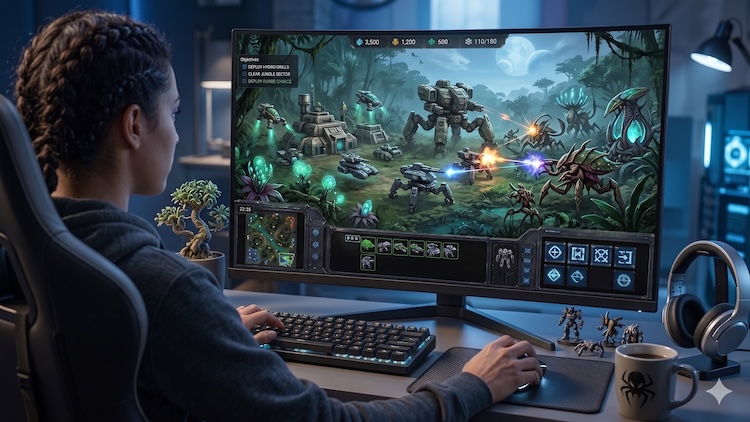
Real-time strategy games put you in charge of a whole battlefield, and the game keeps moving the whole time. There are no turns. Workers collect resources, buildings make units, enemies look around the map, and fights can begin while you are still building your base. That is what gives this type of game its pressure. You have to think, react, and plan all at once.
A real-time strategy game, or RTS game, usually starts you with a small base, a few workers, and later, a full army. You do not begin as the strongest player. You grow step by step. You collect resources, put down buildings, train units, and make your forces better over time. Most matches are about growing faster, protecting yourself, and choosing the right time to attack before the other player gets too strong.
The main appeal of RTS games comes from that back-and-forth feeling. You do not stay focused on one thing for very long. One moment, you send workers to collect wood or minerals. A few seconds later, you train soldiers, check the map, build defenses, and move units toward a fight. The game keeps making you choose what to do next, and every choice costs something.
The Core Idea Behind RTS Gameplay
The core idea sounds simple. Build faster, gather more, train better units, and control the map. In practice, real-time strategy games create deep matches because all these parts connect. A stronger economy helps the player build a stronger army. A stronger army helps protect more land. More land gives more resources. More resources lead to more power.
The match keeps changing because both players act at the same time. One player may focus on defense and upgrades. Another may rush with early units. Someone may expand across the map and build extra resource bases. Another player may send small groups to attack workers. The game does not tell players one correct path. It gives systems, then lets players test their own plans.
This makes real-time strategy games feel different from simple action games. Fast reactions help, but they do not carry the whole match. A player also needs timing, map awareness, unit knowledge, and steady production. A quick hand can win a fight, but poor planning can still lose the match.
Resources: The Fuel of the Game
Most RTS games begin with resource gathering. Resources may appear as wood, gold, stone, food, minerals, gas, energy, or another game-specific material. The names change, but the job stays the same. The player collects resources and spends them on growth.
Workers usually handle this job. They cut trees, mine rocks, harvest fields, or collect crystals. These workers may look weak, but they matter a lot. A player with more workers usually earns more resources. More resources let the player build faster and replace lost units.
This creates one of the first choices in every match. Should the player train more workers or spend money on soldiers? More workers help later. Soldiers help now. A greedy player may build a big economy and fall to an early attack. A cautious player may build too many defenses and fall behind. RTS games make even small early choices feel important.
Base Building and Production
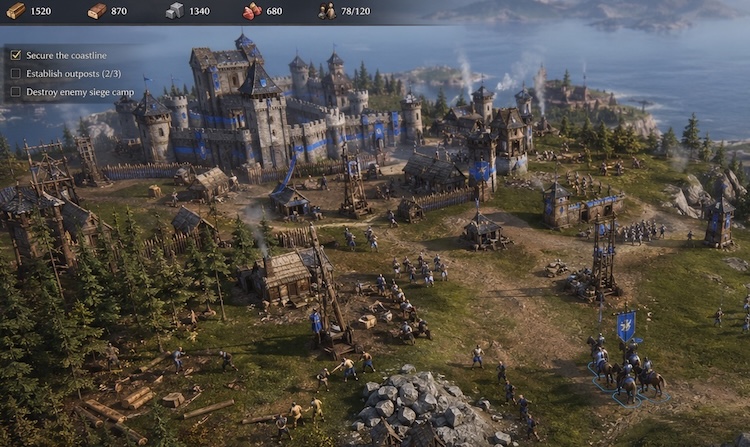
The base works as the heart of the player’s side. It creates workers, unlocks buildings, trains units, and gives the player a place to defend. A small base may start with one main building and a few workers. Over time, it can grow into a network of barracks, factories, towers, research buildings, supply structures, and walls.
Buildings do different jobs. A barracks may train basic soldiers. A stable may train mounted units. A factory may create machines. A research building may unlock upgrades. Defensive towers protect key paths. Supply buildings allow the player to support a larger army.
Placement matters too. A building placed near an entrance can block enemy movement. Walls can slow attacks. Towers can protect workers. A poorly placed building can trap friendly units or leave a gap for enemies. Strong players often use the base layout as part of their defense.
Units and Their Roles
Units give real-time strategy games their action. Each unit type has a job. Some units fight from close range. Some attack from far away. Some move fast and raid workers. Some break buildings. Some heal allies. Some reveal hidden enemies. Some fly over terrain.
A good army rarely uses only one type of unit. A group of only archers may deal strong damage, but fast attackers can surround them. Heavy units may last longer in battle, but ranged units can wear them down. Siege units can destroy buildings, but they often need protection.
This creates counters. A counter means one unit type works well against another. Spearmen may beat cavalry. Anti-air units may stop flying units. Siege weapons may punish packed groups. The player needs to scout and adjust instead of making the same army every time.
Scouting and Map Awareness
Scouting means sending a unit across the map to see what the enemy does. This may sound small, but it often decides the match. A scout can reveal an early attack, a hidden base, a tech switch, or a weak defense.
Without scouting data, the player guesses. Guessing can lead to bad choices. A player may build ground defenses while the enemy prepares flying units. A player may spend on upgrades while the enemy marches across the map. A quick look at the enemy base can prevent those mistakes.
The minimap also plays a big role. It shows movement, attacks, explored areas, and danger signals. Skilled players check it often. A small flash on the minimap can warn the player before an army reaches the workers.
Economy Versus Army
RTS games often ask the player to balance economy and army strength. A large economy brings long-term power. A strong army brings safety and pressure. The hard part comes from doing both without wasting time or resources.
A player who trains only workers may grow fast, but early enemy soldiers can cause damage. A player who trains only troops may survive early fights, but that player may run out of resources later. The best approach depends on the map, enemy behavior, and game style.
This balance gives RTS matches their tension. The player never has enough money for every good idea. Building another base sounds useful. Training more units sounds safe. Starting an upgrade sounds smart. The player must choose.
Micromanagement: Controlling the Small Details
Micromanagement means controlling units closely during action. The player may move injured units away, focus attacks on one target, dodge enemy shots, split groups, or use special abilities at the right time.
Good micro can turn a fight. A smaller army can beat a larger one with smart movement and target choices. Ranged units can stay behind tougher units. Fast units can surround weaker ones. A spell or special attack can change the whole battle.
Micro feels exciting because it happens in the moment. The player sees the result right away. A saved unit, a clean retreat, or a perfect attack can make a fight feel earned.
Macromanagement: Running the Bigger Plan
Macromanagement, often called macro, means managing the big picture. The player keeps workers active, spends resources, builds structures, expands, trains units, and upgrades the army. Macro does not look as dramatic as combat, but it wins many games.
A player with strong macro keeps production moving. Buildings do not sit idle. Workers do not stand around. Resources do not pile up without a plan. The army keeps growing even while battles happen.
This makes RTS games hard in a good way. The player may win a fight but forget to build workers. The player may expand but forget defense. The player may focus on the base and miss an attack. Strong play needs both small control and big planning.
Tech Trees and Upgrades
Many RTS games use a tech tree. A tech tree controls what the player can build or research. Early buildings unlock basic units. Later buildings unlock stronger units, advanced upgrades, and special powers.
This gives the match a clear sense of growth. Early units may fight with simple weapons. Later units may bring stronger armor, longer range, faster movement, or new abilities. The army changes as the match goes on.
Upgrades also create decisions. An attack upgrade may help soldiers deal more damage. An armor upgrade may help them survive longer. A gathering upgrade may improve the economy. The player must decide which improvement helps most at that moment.
Map Control and Expansion
The map does more than hold the battle. It shapes the whole match. Some maps have narrow paths. Some have open fields. Some have high ground, cliffs, forests, water, bridges, or hidden routes. These features affect how armies move and fight.
Map control means holding useful areas. A player with map control can gather from more places, see enemy movement, and choose better fights. A player stuck inside one base may struggle to expand or scout.
Expansions play a huge role here. An expansion means building another base near more resources. This brings more income, but it also creates another place to defend. A player who expands too early may lose it. A player who waits too long may fall behind.
Combat and Positioning
Combat in RTS games rewards more than army size. Positioning matters. A smaller army can win with better ground, better spacing, and better timing. A narrow path can help defenders. Open ground can help fast units surround enemies. High ground may give vision or an attack advantage depending on the game.
The player also chooses when to fight. A bad fight can destroy months of planning inside a few seconds. A good retreat can save the army for a better moment. Sometimes the smartest move involves attacking workers instead of fighting the main army.
RTS combat feels strong because every unit has value. Losing a whole group hurts the economy and the next fight. Saving a few units can matter later.
Single-Player and Multiplayer
Single-player RTS games often use campaign missions. These missions may tell a story and give special goals. The player may defend a village, destroy enemy bases, protect a hero, gather rare resources, or survive waves of attackers.
Multiplayer feels different because human players act less predictably. One opponent may rush early. Another may hide buildings. Another may expand fast and avoid fights. Human choices make each match feel fresh, even on the same map.
This gives RTS games long life. Players keep learning new openings, counters, timings, and tricks. The same systems create many different matches because people use them in different ways.
Why RTS Games Feel So Deep
Real-time strategy games feel deep because their systems connect. Economy affects army size. Army strength affects map control. Map control affects resources. Resources affect upgrades. Upgrades affect combat. Combat affects everything.
The player never makes choices in isolation. Spending money on defense means less money for expansion. Training fast units means less money for upgrades. Chasing the enemy army may leave workers open. Every action has a trade-off.
That connected design gives RTS games their lasting appeal. They do not rely only on speed or only on planning. They mix both. The player builds, watches, reacts, attacks, retreats, expands, and adapts.
Final Thoughts
Real-time strategy games work because they turn many small systems into one living match. Workers gather resources. Bases produce armies. Units fight for control. Scouts reveal danger. Upgrades change the strength of each side. The map pulls players into conflict.
A good RTS game gives you simple tools and lets you choose what to do. You build, wait, attack, or defend. A good plan helps, but timing matters too. You also need to watch the map and stay calm when things get busy. Every match feels different because your choices change the story. You start with almost nothing, build your base and army, and then try to handle danger from every side.